

Calm Is a Practice
3 Ways to Help Your Body Find Its Rest + Digest State
Calm isn’t something we stumble into.
It’s something we create, over and over, with tiny choices throughout our day.
If you’ve ever wondered why you feel tense, overwhelmed, wired, or easily irritated even when nothing “big” is happening, it’s not a personality flaw, it’s your nervous system doing its job. The world constantly pulls us into that sympathetic fight-or-flight mode: busy schedules, endless notifications, emotional labor, caretaking, stress… it all adds up.
But the beautiful thing?
Your body also has a built-in system designed to help you slow down, breathe deeper, and feel grounded again.
It’s called the parasympathetic nervous system (PNS) and it’s your “rest and digest” setting. This is the mode where your heart rate drops, your breath softens, your muscles unclench, and your energy is conserved rather than burnt up. It’s the state we’re meant to live in most of the time… but modern life has other plans.
The good news is that you can practice shifting back into this calmer state. You can retrain your body to downshift. And the more you practice, the easier it becomes.
Here are three simple, proven ways to help your body activate the parasympathetic response, and create more calm in your day-to-day life.
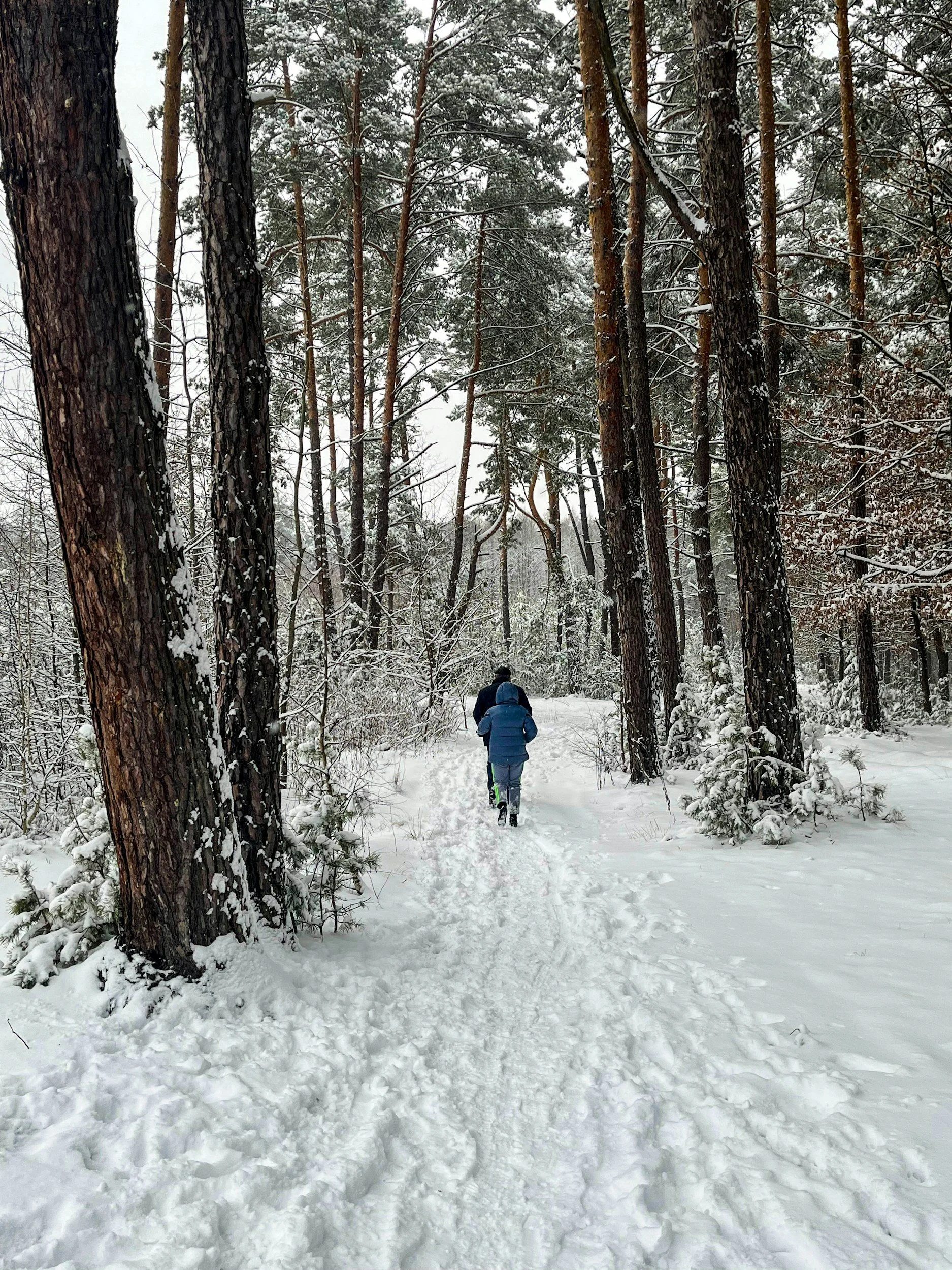
1. Go for a Walk in Nature
(Your nervous system’s favorite reset button)
If you’ve ever stepped outside and felt your shoulders drop two inches, that wasn’t accidental. Being in nature is one of the fastest ways to activate your parasympathetic nervous system.
Here’s why it works:
• Fresh air slows your breathing
As your breath deepens, your vagus nerve (a major player in calming your body) signals your heart rate to slow.
• Natural environments lower cortisol levels
Research shows that just 10–20 minutes outside can significantly reduce stress hormones.
• Rhythmic walking regulates your internal rhythm
Forward movement, especially at a gentle pace, creates a soothing, repetitive pattern that helps your brain settle.
• Nature pulls you out of your head and into your senses
Instead of looping thoughts, your mind shifts toward what you see, feel, smell, and hear - a natural form of mindfulness that grounds you in your body.
A walk doesn’t have to be long or perfect.
Even 5 minutes up and down your snowy street with your dog… yes, that counts. Calm isn’t about conditions; it’s about intention.
2. Try an Infrared Sauna
(Heat that heals your stress response)
Infrared saunas feel luxurious, but they are also deeply supportive for your nervous system.
Here’s how they help your body find calm:
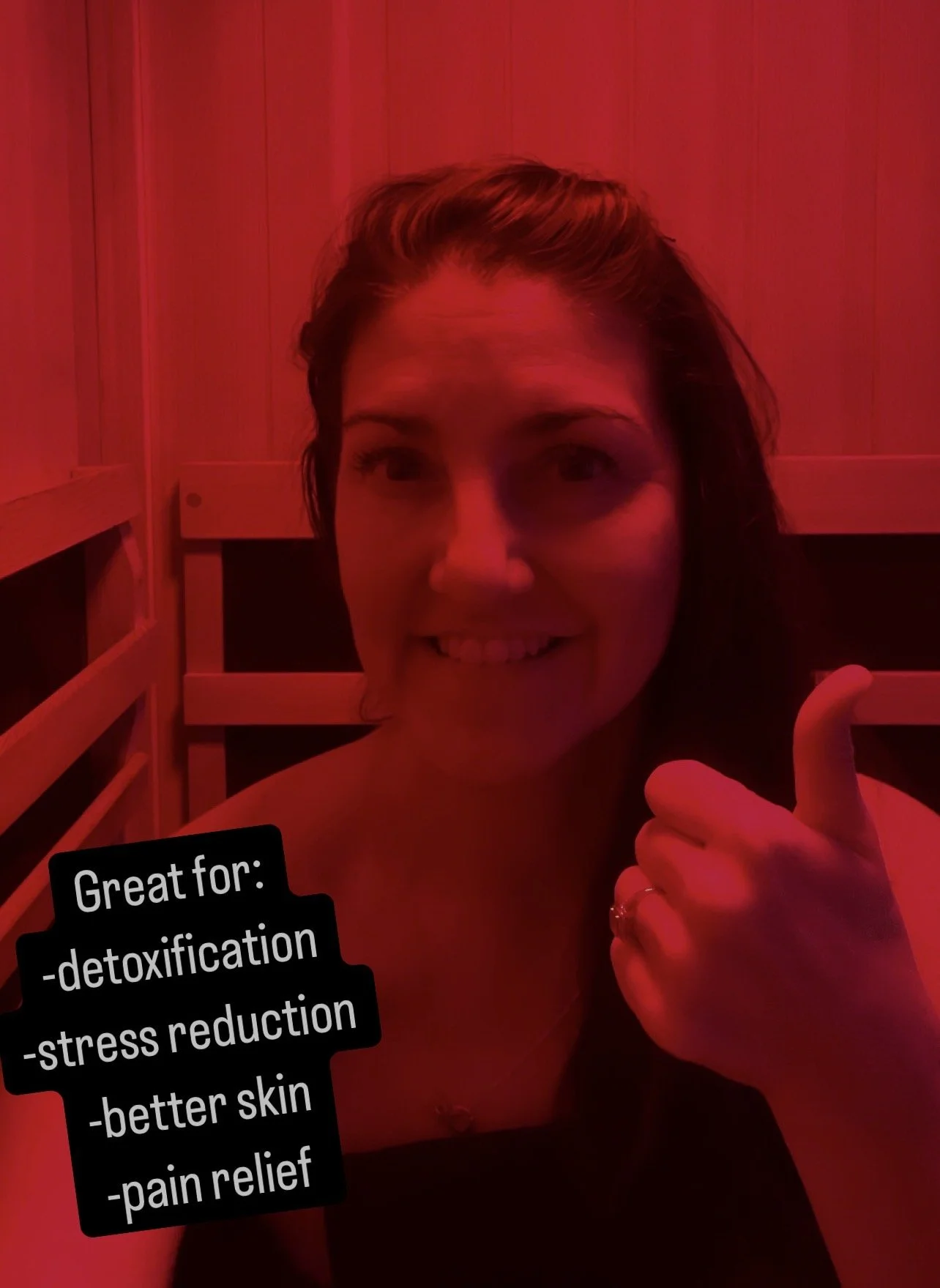
• Infrared heat relaxes your muscles and fascia
When your body lets go, your brain gets the message: “We’re safe.”
• Increased circulation = decreased tension
Improved blood flow helps regulate your heart rate and shifts your body toward its parasympathetic mode.
• Saunas help lower cortisol
Heat therapy has been shown to reduce stress hormones and boost endorphins — your natural mood elevators.
• Warmth cues the brain to slow down
Our bodies associate warmth with safety, comfort, and rest. It’s why you feel instantly calmer in a hot bath, under a heated blanket, or in a warm room.
Think of the sauna as a reset chamber.
A place where the world gets quiet, your breath deepens, and your body gets the memo: “You can soften now.”
There are lots of places like yoga studios and body work places that have infrared saunas that you can use! Just google ‘infrared sauna near me’ to find one you can use. It’s so dreamy. Especially in the winter!
3. Join Our Thursday Yoga Class on It Matters
(30 minutes to rest your nervous system)
Yoga is one of the most effective ways to activate the parasympathetic nervous system — and it doesn’t require flexibility, fancy poses, or perfect form.
Our Thursday 30-minute yoga on Instagram is designed specifically to:
• Slow your breathing
Deep, intentional breath is the PNS’s on-switch.
• Release muscular tension
Gentle stretches signal your brain that you’re safe to relax.
• Improve your mind-body connection
Moving slowly teaches your nervous system how to settle, not sprint.
• Create a pocket of stillness in your week
Consistency matters. A weekly ritual tells your body what to expect — and it starts preparing for calm before you even hit the mat.
These 30 minutes aren’t just movement…
They are a full-body exhale.
A space where you practice the skill of calm — so it becomes more accessible in real life, during real stress, on real busy days.
A Final Thought: Calm is a Practice, Not a Personality Trait
Some days you will feel grounded.
Some days you won’t.
Both are normal.
The goal isn’t perfection.
The goal is to keep practicing — to keep giving your body small, doable invitations to settle and soften.
A walk outside.
A few minutes of heat.
A gentle yoga class.
A deep breath before you open your email.
These moments add up.
They teach your nervous system how to come home to itself again.
And that is why it matters.